Social Science Research Council Research AMP Just Tech

Radical Infrastructure: Imagining the Internet from the Ground Up

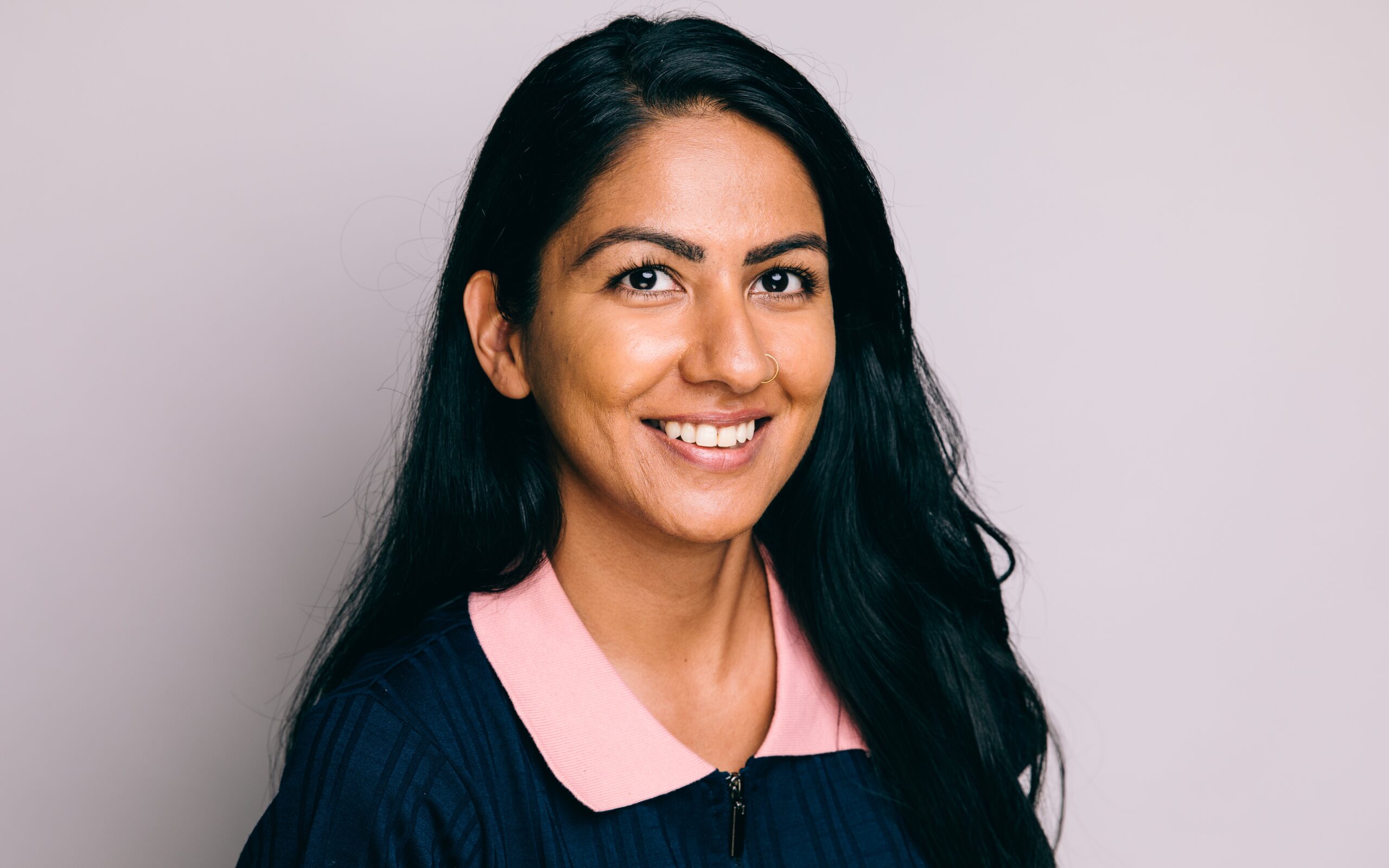
What if we could redesign the Internet? In this interview with MediaWell, critical informatics scholar Britt Paris discusses her new book Radical Infrastructure: Imagining the Internet from the Ground Up (University of California Press, 2026).

Solving the current fractures in the digital sphere, Paris argues, will require looking beyond platforms to the physical infrastructure that lies beneath: who owns and makes decisions about it, and whether they engage with the needs of the public. Based on years of field research of alternative Internet infrastructure projects across the United States, Radical Infrastructure is a timely glimpse into opportunities for a different — and more people-centered — digital future.

Key Issues and Cases in Developing Transnational Digital Futures

For the final installment of MediaWell’s video essay series on transnational digital governance, researcher and lawyer Camila Tsuzuki explains the background of the key legal cases currently shaping Brazil’s digital regulatory landscape.

The Brazilian government is currently deliberating legal safeguards surrounding online trust, safety, and content moderation. Tsuzuki explores these measures’ potential impacts on the use of biometric technologies, platform capacity and transparency, and privacy and data protection. 

Digital Watchdogs: How Civil Society Keeps Tech Platforms Accountable

The decisions that govern the Internet can seem out of the hands of the people that use it, shaped instead almost entirely by governments and large tech corporations. But how can civil society help foster healthier, more democratic digital ecosystems? 

As part of MediaWell’s video essay series on transnational digital governance, Swati Srivastava (Purdue University) explores the influence of civil society groups. Watchdogs like Ranking Digital Rights offer an important counterweight against more powerful actors by creating cross-platform, human rights-focused scorecards – raising the bar for accountability and transparency in the digital sphere.

Digital Disjunction: Platforms in the Age of Conflicting Governance

Digital content doesn’t stop at national borders. Social media companies have long had to navigate competing expectations, often by tailoring their platforms to the demands of key markets; as a result, regulations set in one place shape the user experience in another. But what happens when those markets take opposite approaches to content moderation? 

As part of MediaWell’s video essay series on transnational digital governance, tech governance scholar Swati Srivastava (Purdue University) explores the uncertainties of what she calls a “new era of platform governance” – the growing divergence between countries in the Global North, the reality of most users living in the Global South, and how platforms are rethinking how they make decisions about governance, power, and authority

Research Review

Like & Subscribe: Influencers and the Shift to Parasocial Authority

Who gets to be influential, and at what cost? Over the past two decades, public attention spans and approaches to “truth” have undergone significant transformation: from legacy media to short-form video, credentialed expertise to projected authenticity, and, increasingly, from human influencers to AI-generated ones. 

In this research review, communications scholar Julia Jeonghyun Parke provides a detailed look into social media influencers as voices of authority in the public sphere – how success is shaped by algorithms and social hierarchies, and where new frameworks are needed to understand one of the biggest shifts in our contemporary media landscape.

Research Topics

  • Credibility and Trust

    How do populist politics and other anti-elite, anti-institutional movements intersect with new technologies and declining public trust in science and media?
  • Targeted Disinformation

    Recent research reveals how contemporary online harassment fits into historical patterns of oppression of women, minorities, and vulnerable groups.

Research Reviews

Articles


Profiles


News Items


Upcoming Events