Social Science Research Council Research AMP Just Tech

Digital Disjunction: Platforms in the Age of Conflicting Governance

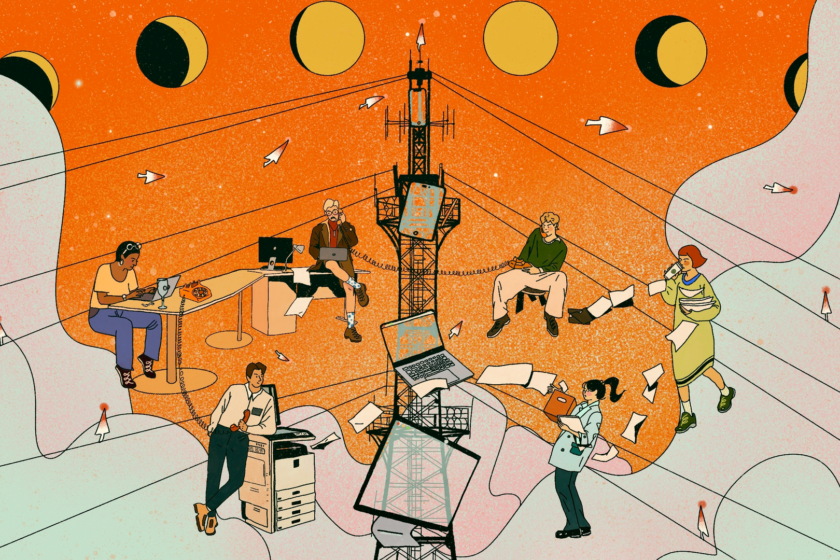
Digital content doesn’t stop at national borders. Social media companies have long had to navigate competing expectations, often by tailoring their platforms to the demands of key markets; as a result, regulations set in one place shape the user experience in another. But what happens when those markets take opposite approaches to content moderation? 

As part of MediaWell’s video essay series on transnational digital governance, tech governance scholar Swati Srivastava (Purdue University) explores the uncertainties of what she calls a “new era of platform governance” – the growing divergence between countries in the Global North, the reality of most users living in the Global South, and how platforms are rethinking how they make decisions about governance, power, and authority

Research Review

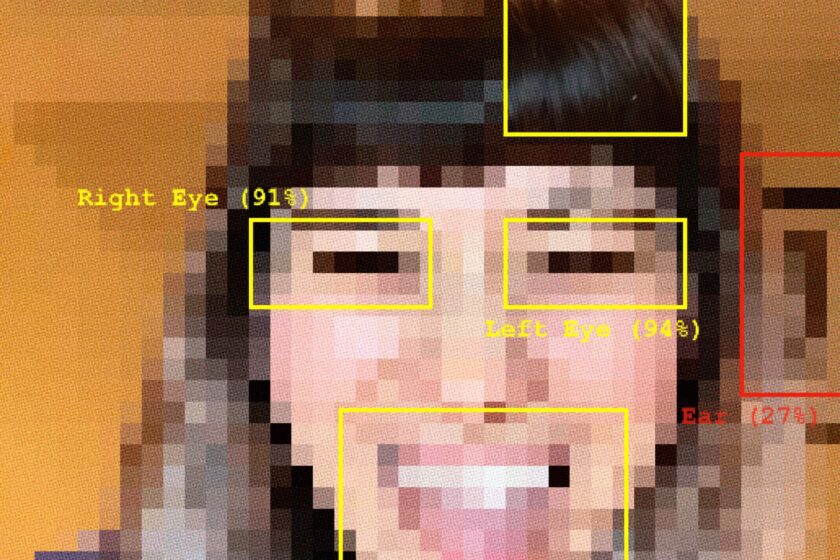
Like & Subscribe: Influencers and the Shift to Parasocial Authority

Who gets to be influential, and at what cost? Over the past two decades, public attention spans and approaches to “truth” have undergone significant transformation: from legacy media to short-form video, credentialed expertise to projected authenticity, and, increasingly, from human influencers to AI-generated ones. 

In this research review, communications scholar Julia Jeonghyun Parke provides a detailed look into social media influencers as voices of authority in the public sphere – how success is shaped by algorithms and social hierarchies, and where new frameworks are needed to understand one of the biggest shifts in our contemporary media landscape.

The New Order of Global Tech Policy

For his second video essay in MediaWell’s series on transnational digital governance, law and technology expert Dr. Ivar Hartmann (Insper, Brazil) highlights key issues for U.S. media and civil society – at a time when many countries, especially across the Global South, are looking elsewhere for regulatory inspiration. 

This essay explores some of these rising models of global tech policy: the influence of EU-style AI regulation, the role that procedural rights can play in content moderation, and possibilities for improving the digital public sphere.

Major Trends & Overlooked Issues in Digital Governance

As part of MediaWell’s video essay series on transnational digital governance, law and technology expert Ivar Hartmann (Insper, Brazil) outlines some of the topics dominating the field’s attention – and those that aren’t, but should. 

Where generative AI and the downstream effects of geopolitical conflict have captured much of the conversation in research and policy circles, this essay calls for a collective focus shift towards issues with at least as much impact – if not more – on our everyday lives, like platform work, content recommendation algorithms, and “outside-the-box” attempts to regulate Big Tech.

The Informal Future of Transnational Digital Governance

As part of MediaWell’s video essay series on transnational digital governance, researcher Robert Gorwa describes the issues and challenges that he thinks will define the next five years — and how the models of governance that drive them are in flux.

This essay explores the rise of what Gorwa calls “informal digital governance institutions.” While transnational cooperation on digital policy has increasingly given way to confrontation over the last year, these institutions — mostly comprised of technology firms, often with civil society and sometimes government involvement — have taken on a central role, developing the standards and infrastructure to address key issues.

Research Topics

  • Infrastructures and Methodologies

    The field of mis- and disinformation studies is comprised of a range of disciplines that bring different methodological tools to the table, and mis- and disinformation can be found in a range of different media, not just online. This research topic explores the affordances and limits of different methodologies and sources for helping to gain a wider view. 
  • Algorithms and Automation

    Researchers are exploring how disinformation campaigns use bots and automation tools, and how algorithms can encode and reproduce biases and ideologies.
  • Credibility and Trust

    How do populist politics and other anti-elite, anti-institutional movements intersect with new technologies and declining public trust in science and media?

Research Reviews

Articles


Profiles


News Items


Upcoming Events